
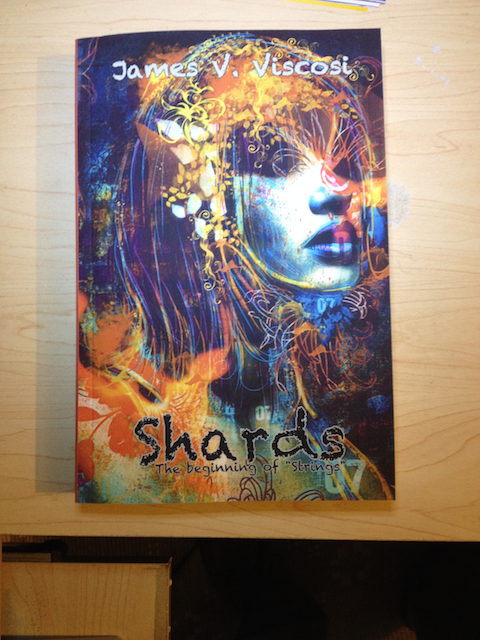
The paperback edition of Shards is finally available at Amazon, and soon to be available everywhere else. Huzzah!
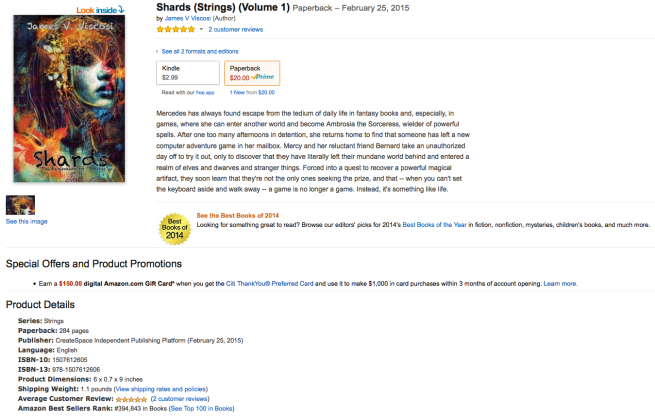
Continue reading ““Shards” Print Edition: 634 Pages/20 Years = 31.7 Pages Per Year”
The paperback edition of Shards is finally available at Amazon, and soon to be available everywhere else. Huzzah!
Continue reading ““Shards” Print Edition: 634 Pages/20 Years = 31.7 Pages Per Year”
Proof #1 of Shards (from Lulu, with glossy cover) has arrived:
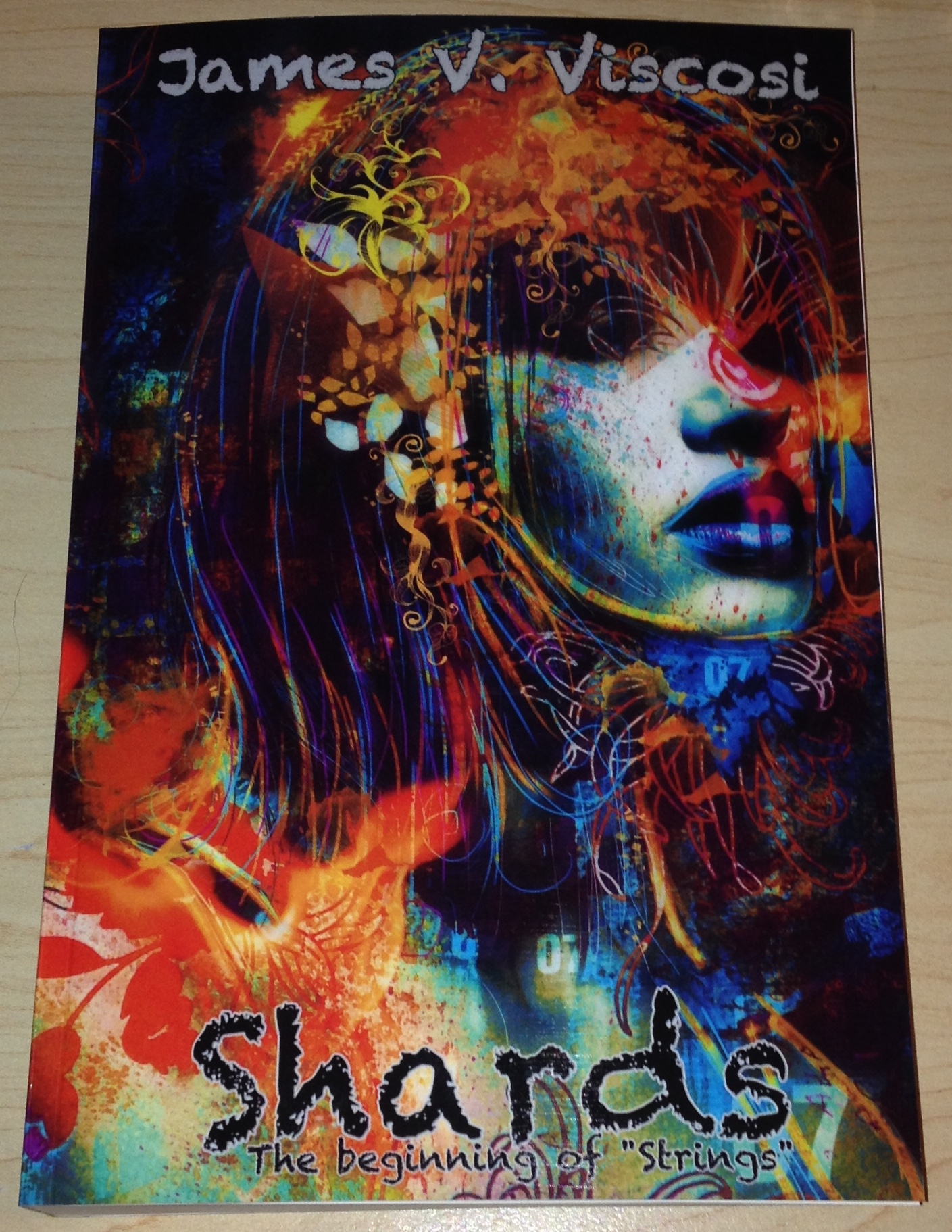
Continue reading ““Shards”: The (Accidentally) Large Print Edition”
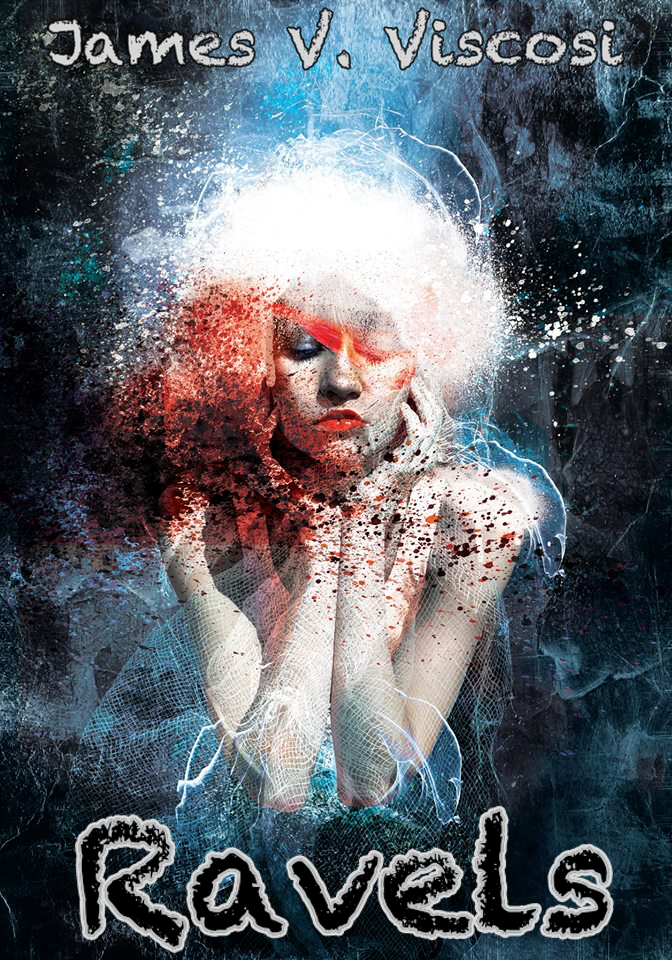
So over the Christmas and New Year’s holidays, with a little extra time off from the job that actually pays the bills (Lord knows writing doesn’t), I finally wrapped up the last pass of editing on the conclusion of Shards — or, as I am now calling it, The “Strings” Duology:
 |
 |
So at the moment I’m reading a book by David Weber with the somewhat unfortunate title The Apocalypse Troll, which always makes me snicker a little, perhaps because of Dennis the Vizsla’s run-in with Obvious Troll a few years ago. (However, the Troll in this book is not obvious. At least, not once it stops firing nukes at the U.S. Navy.)
Continue reading “Teaser Tuesday 12/4/2012: The Apocalypse Troll”
Here it is!
I changed the text from red to black and added a couple more layers of outlining around it. It also looks good in monochrome, e.g., on an old-school Kindle:
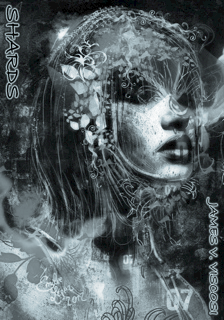
I’m about halfway through formatting the book for the Kindle; watch this space for updates!
Well, for the one or two readers (both of whom are most likely in the UK) who are still waiting for the follow-up to Dragon Stones (which was once upon a time the #1 best seller on the Kindle fantasy lists in the UK), it is finally finished! The new book, Shards, is part one of a two-part fantasy series, and clocks in at about 111,000 words. For those who are keeping track, that’s somewhat shorter than A Flock of Crows is Called a Murder or Dragon Stones, but longer than Night Watchman or Long Before Dawn. Why release it as two books instead of one? Well …
So I realize I’ve been saying this for a while now, but book one of “Shards” really is, finally, entering its final development phase. At this point I’m not only editing, I’m also doing some layout work. I haven’t started looking for cover art yet, but I did pull a bit of dialog to serve as the blurb on the inside front cover:
“So what kind of character do you want?” Mercy asked.
“I don’t know.” Bernard inspected the options. “What’s a rogue?”
“A rogue is like a thief.”
“What, you mean they go around robbing people?”
“Well, sort of, but not like a mugger. More like, you know, Robin Hood or Ali Baba.”
“Mmm. What are you?”
“I’m an elf sorceress.”
“Of course you are. I’ll be a human rogue. Male. Good.”
“Good? You can’t be good.”
“Why not?”
“You’re a rogue.”
“So?”
“So you’re a thief. You burglarize castles. You waylay people and take their stuff. Does that sound like good behavior to you?”
“You just said rogues weren’t muggers.”
“It doesn’t take any skill to be a mugger. All it takes is a weapon. Rogues are like, like, like gymnasts. Acrobats who steal. Cat burglars. They jump around, they run along tightropes, they climb up walls.” She had no idea if this particular game actually presented rogues that way, but she was getting a little impatient. “Trust me, you’ll love being a rogue.”
“Hmm, I don’t know. Maybe I should be a scout. What would a scout do?”
“Help old ladies across the street. Oh, come on. Live dangerously.” Before he could protest further, she had made him a neutral male rogue. The computer then prompted her for the character’s name.
She gave Bernard a sidelong glance.
“Can’t I just call him Bernard?” he said. “Maybe humans in that world just have regular names.”
“Regular names are boring. Ambrosia the Sorceress is not going to pal around with someone named Bernard.”
“Well, I can’t think of a name,” he said, sounding cross.
“Fine, I’ll make one up for you.” She typed Brannoc and accepted the character; the screen went black for a moment, then returned to Ambrosia standing alone and motionless in the forest, as if she’d started down the path and then forgotten where she wanted to go.
“Where’s my character?” Bernard asked.
“He’s probably sitting around somewhere complaining about his name and wondering if he should have become a scout,” Mercy said.
None of my other books has used just dialog as a blurb, but I thought this was a good paragraph for establishing the personalities of and dynamic between my two main characters. Will it make anyone want to read the book? We’ll see …
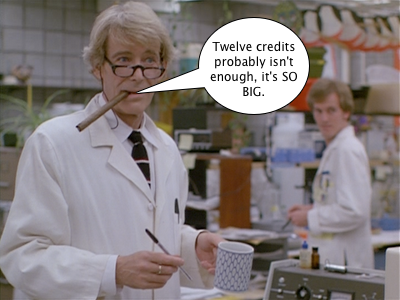
And yes, Shards (AKA “Big Book”) is still on its way. I recently switched from Pages to Scrivener to help manage it. As Peter O’Toole said in “Creator”:
 Viscosity